Clinical Advisory Guide11 min read · Updated September 2026

How to Choose the Best Medical Spa Provider & Nurse Injector

An Expert Medical Spa Advisor's Vetting Guide: Credentials, Medical Oversight, Product Authenticity, and Consultation Audits

Advisor's Executive Brief

Cosmetic injections, biostimulators, and clinical lasers are medical procedures that alter facial anatomy and carry real physiological risks. Yet across the United States, medical spas operate on a vast spectrum—ranging from hospital-grade clinical centers with on-site board-certified physician leadership to high-turnover retail storefronts that treat prescription pharmaceuticals like commodity salon services. This guide provides an independent, clinical framework to audit any medical spa, verify injector credentials, and choose a provider who prioritizes long-term facial harmony and patient safety over short-term sales volume.

By Medical Spa Providers Editorial Advisory BoardIndependent Medical Aesthetic Research

The Clinical Reality

Aesthetic Medicine is Medicine, Not Retail Pampering

Over the past decade, the rapid mainstream adoption of neurotoxins, dermal fillers, and energy-based devices has blurred the line between medical procedures and routine personal grooming. Medical spas frequently present plush waiting lounges, velvet armchairs, and complimentary champagne—luxuries designed to create a relaxed, hospitality-first atmosphere. While comfort is welcome, patients must never lose sight of the foundational truth: the moment a needle punctures the dermis or a laser beam penetrates the subcutaneous plane, you are receiving medical care.

Botulinum toxins (Botox, Xeomin, Dysport, Letybo) are potent prescription neurotoxins. Dermal fillers (Juvederm, Restylane, Versa, Radiesse) are surgical implants classified by the FDA as Class III medical devices. When administered by an expert practitioner with deep anatomical mastery, these treatments enhance natural proportions with sublime subtlety. When administered in high-volume 'discount shops' that cut corners on sterile technique, anatomical assessment, or medical supervision, complications can be devastating—ranging from persistent facial asymmetry and filler migration to tissue necrosis caused by accidental vascular occlusion.

Choosing the right provider is not about finding the cheapest per-unit coupon; it is about establishing a collaborative relationship with a credentialed medical professional who understands your facial architecture, respects your biological individuality, and maintains the medical training to safely manage unexpected complications.

Pillar 1: Licensure & Scope

Decoding Injector Credentials: RN, NP, PA, and MD/DO

When booking a consultation, one of the first questions you must ask is: 'What specific license does my injector hold?' State medical and nursing boards strictly regulate who can inject prescription substances, but marketing materials often obscure these distinctions with vague labels like 'Aesthetic Specialist' or 'Master Injector'—titles that carry zero regulatory meaning.

Here is what each medical credential represents in an aesthetic practice:

Registered Nurse (RN) / Aesthetic Nurse Specialist

RNs represent the backbone of the medical aesthetic industry. A dedicated nurse injector often performs thousands of injections each year, developing elite needle dexterity, tactile feedback, and artistic eye. However, RNs cannot prescribe pharmaceuticals independently. Under state law, an RN must inject under a standardized collaborative protocol established by a supervising physician (MD/DO) or an advanced practice registered nurse (APRN/NP). Look for RNs who have achieved the rigorous Certified Aesthetic Nurse Specialist (CANS) credential accredited by the Plastic Surgical Nursing Certification Board (PSNCB).

Nurse Practitioner (NP) & Physician Assistant (PA)

NPs and PAs are advanced practice providers (APPs) with graduate-level medical training. Unlike RNs, NPs and PAs have diagnostic and prescriptive authority. In many states, NPs can practice autonomously, while PAs operate in collaboration with a physician. Advanced practice providers can perform the mandatory initial medical intake, evaluate systemic health conditions, formulate the diagnostic treatment plan, and personally administer complex deep-plane injections.

Board-Certified Physician (MD / DO)

Physicians hold the highest level of formal medical education. In aesthetic medicine, the core specialties that receive extensive residency and fellowship training in facial anatomy, cosmetic surgery, and cutaneous medicine are Plastic Surgery, Dermatology, Facial Plastic Surgery (ENT), and Oculoplastic Surgery. If a non-core physician (such as an emergency physician, internal medicine doctor, or OB-GYN) operates or oversees a medical spa, verify that they have completed extensive, accredited continuing medical education in aesthetic injectables.

Licensed aesthetic nurse injector in clinical uniform adhering to sterile medical spa standards and anatomical injection protocols

Verifying injector credentials: Look for board-licensed nurses with advanced certifications (CANS) and ongoing continuing medical education in facial anatomy.

Express Med Spa Clinical TeamClinical practice archive · Verified practitioner photography

Pillar 2: Clinical Governance

The Medical Director Audit: Active Leader vs. Rented License

In almost every US state, a medical spa must operate under the medical direction of a licensed physician (MD or DO). However, one of the aesthetic industry's most concerning open secrets is the widespread phenomenon of the 'absentee medical director'—a physician who is paid a monthly fee to lend their medical license to a clinic, but who resides in another city, never visits the facility, and provides zero real-time supervision.

An absentee medical director poses a severe safety hazard to patients. If an injector encounters a vascular emergency (where dermal filler accidentally enters a facial artery, threatening blood supply to the skin or retina), immediate clinical intervention is required. If the medical director is unreachable or unpracticed in aesthetic emergencies, emergency reversal protocols can be fatally delayed.

During your initial vetting, ask the practice straightforward questions about their clinical leadership:

Key Questions to Ask Every Practice:

  • Who is the medical director of this practice, what is their medical specialty, and where is their primary office located?
  • Is the medical director on-site regularly, and how is medical consultation handled if a patient has a complex medical history?
  • In the event of an adverse reaction or vascular complication, what is the exact emergency protocol, and is a physician immediately reachable by phone or in person?
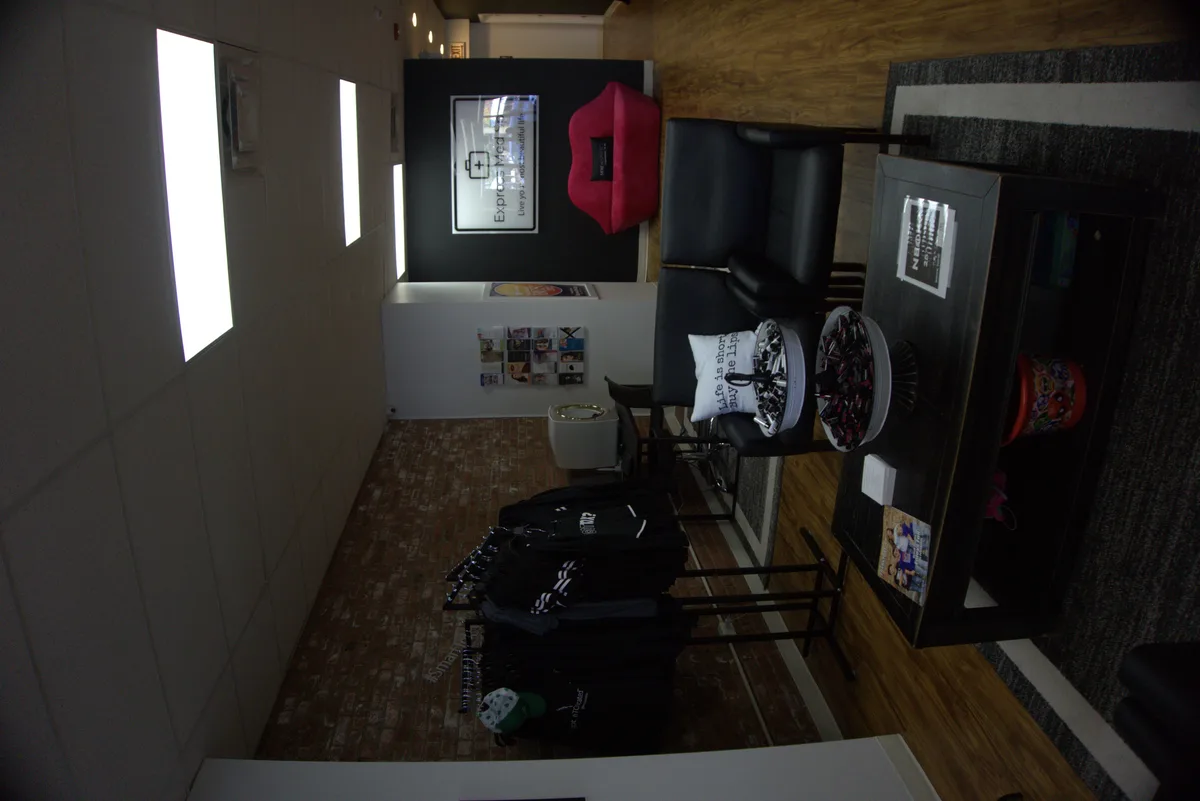
Clean and accredited medical spa facility reception meeting clinical hygiene standards and state medical board compliance

Clinical facility standards: Legitimate aesthetic practices maintain hospital-grade sterilization, temperature-controlled drug storage, and emergency safety kits.

Express Med Spa Facility ArchiveClinical practice archive · Facility photography

Pillar 3: The Examination

The 20-Minute Consultation Audit & The Good Faith Exam

A premier injector treats the consultation as an essential diagnostic investigation, not a transactional sales pitch. If you walk into a medical spa for the first time and are placed directly into an injection chair within five minutes without a formal health evaluation, you should walk out.

Under state medical regulations, every new aesthetic patient must receive a 'Good Faith Exam' (GFE) prior to receiving prescription treatments. This exam must be performed either in person or via synchronous face-to-face telehealth by a licensed prescriber (MD, DO, NP, or PA). The GFE evaluates your comprehensive health history, active prescription medications, allergies, previous aesthetic treatments, and neurological history to establish medical clearance.

Once cleared, an expert injector will conduct a comprehensive dynamic facial assessment:

Static vs. Dynamic Analysis

The injector observes your facial kinetics while you speak, smile, frown, raise your brows, and purse your lips. Elite injectors evaluate how muscle vectors pull against bone and soft tissue, ensuring that softening a line will not cause an unnatural drop in brow position or an unnatural frozen expression.

Full-Face Harmonization

Amateur injectors treat isolated lines in isolation (e.g. injecting only the nasolabial fold, which often results in an unnatural puffy look). Expert advisors examine full-face proportion: often, softening a smile line requires restoring structural cheek volume or balancing the chin projection to support the midface naturally.

Conservative Treatment Staging

Reputable practitioners recommend starting conservatively. Facial anatomy is three-dimensional; it is far easier to add two units of neurotoxin or a half-syringe of filler two weeks later than to overfill tissue and deal with migration or heaviness.

Registered nurse injector conducting comprehensive facial anatomy analysis and dynamic muscle assessment during medical spa consultation

In-person clinical assessment: An expert nurse injector evaluates facial kinetics, tissue laxity, and dynamic expression lines before mapping injection vectors.

Stephanie Guenther, RN · Express Med SpaClinical practice archive · In-consultation photography
Objective diagnostic facial skin analysis system measuring UV damage, pore elasticity, and dermal health at an accredited medical spa

Diagnostic baseline: Objective skin analysis technology identifies underlying vascular erythema and sun damage to guide customized treatment plans.

Express Med Spa Diagnostic SuiteClinical practice archive · Diagnostic imaging

Pillar 4: Product Integrity

Product Authentication, Reconstitution & Pricing Transparency

Patient safety depends entirely on pharmaceutical authenticity. Counterfeit and gray-market neurotoxins and fillers represent an escalating global problem. These unapproved products are imported without FDA inspection and shipped without temperature-controlled cold chains, resulting in unpredictable potency, sterile compromise, or severe foreign body granulomas.

Legitimate medical spas purchase their inventory directly from authorized US pharmaceutical manufacturers (Allergan Aesthetics for Botox and Juvederm; Merz Aesthetics for Xeomin and Radiesse; Galderma for Dysport, Restylane, and Sculptra; Hugel Aesthetics for Letybo; Prollenium for Revanesse Versa).

A transparent medical spa will gladly show you the product packaging before treatment. Look for the manufacturer hologram, the lot number, and the expiration date printed on the vial or box.

Unit-Based Pricing vs. 'Per Area' Fees

Always choose clinics that charge per unit of neurotoxin rather than a flat fee 'per area'. A flat fee creates an economic conflict of interest: the clinic is incentivized to inject as few units as possible to maximize profit, leaving you with under-dosed results that wear off in weeks. Paying per unit ensures transparent dosing tailored exactly to your muscle mass.

Bacteriostatic Saline Reconstitution

Botox, Dysport, and Letybo arrive as freeze-dried vacuum powders that must be reconstituted with sterile saline. Reputable clinics use preserved bacteriostatic 0.9% sodium chloride, which contains benzyl alcohol to numb tissue on injection. Low-cost discount providers often over-dilute vials with excessive saline to stretch product across multiple patients, causing diluted efficacy and poor longevity.

The Danger of Extreme Discounting

Pharmaceutical manufacturers maintain strict minimum advertised pricing (MAP) standards. If a med spa advertises Botox at $7 or $8 per unit—well below wholesale acquisition cost—ask yourself how they are profiting. The answer is almost always extreme dilution, counterfeit product, or illegal importation from unauthorized foreign distributors.

Pillar 5: Visual Honesty

How to Audit an Injector's Before-and-After Portfolio

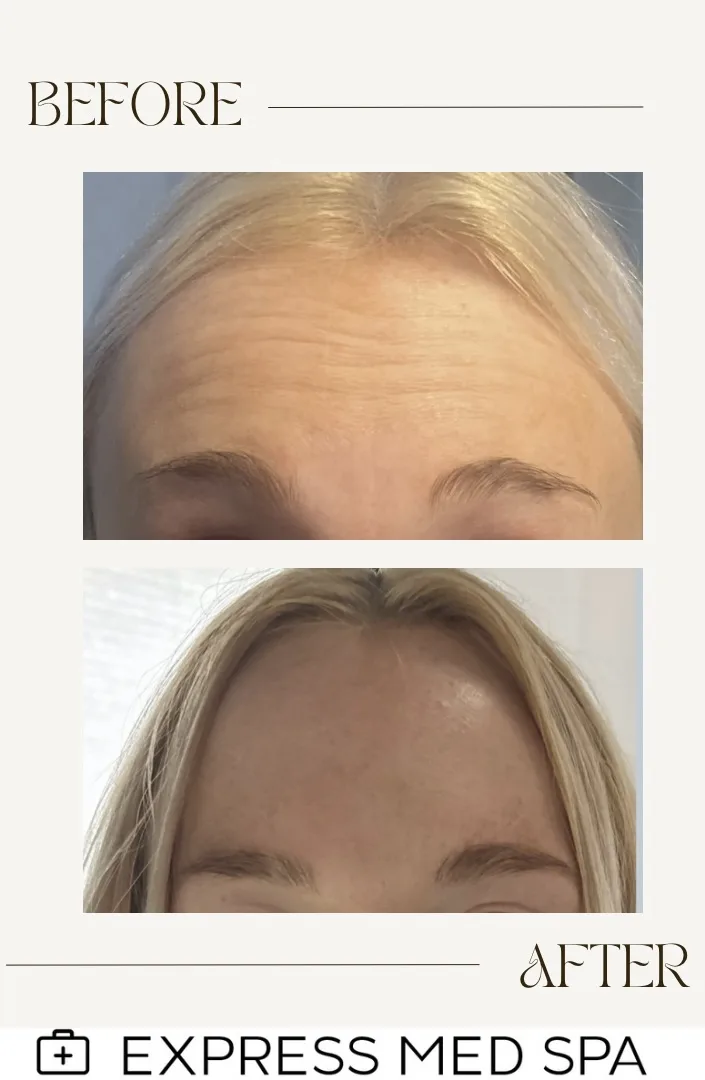
Social media platforms like Instagram and TikTok have become the primary marketing gallery for nurse injectors. However, digital photo manipulation, ring lights, and flattering head angles make it easy to manufacture deceptive results.

As an informed patient, you must learn to read an aesthetic portfolio like a clinical auditor:

1. Watch for Lighting and Flash Discrepancies

Diffused ring lights and bright direct flashes wash out fine lines, under-eye hollows, and textural pore shadows. A true clinical before-and-after photograph maintains identical, neutral ambient lighting in both shots with no beauty filters.

2. Verify Identical Head Angles & Facial Expressions

Tilting the chin upward naturally tightens neck skin and softens jowl laxity. Similarly, squinting or furrowing in the 'before' shot followed by a relaxed neutral face in the 'after' shot creates a false impression of smoothing. Both photos must show the exact same relaxed, straight-on anatomical position.

3. Look for Disclosed Treatment Parameters

Trustworthy injectors disclose the exact clinical parameters in their captions: the product used, the exact unit count or syringe volume, and the timeframe (e.g. '2 weeks post-injection'). Results photographed immediately after injection only show acute swelling, not true settled outcomes.

4. Check Lip Fillers for the 'Shelf' (Migration)

When evaluating lip filler photos, look closely at the lateral profile view. If the upper white lip protrudes outward like a duck bill or a rigid 'shelf', the filler has migrated above the vermilion border. Elite injectors preserve a crisp, flat philtral column and natural lip margins.

Unretouched clinical before and after portfolio photograph displaying 10 units of neurotoxin injected to frontalis muscle with preserved brow symmetry

Evaluating portfolio honesty: Elite injectors display unedited, identically lit before-and-after photographs disclosing exact dosage and injection sites.

Nurse Lauren, RN · Express Med SpaClinical practice archive · Non-retouched portfolio documentation

Pillar 6: Patient Safety

Emergency Readiness: The Vascular Occlusion Protocol

Every medical procedure carries intrinsic risk. While cosmetic injectables boast exceptional safety records, the gold-standard measure of a medical spa is not how they handle a routine injection, but how thoroughly prepared they are for an adverse event.

The most serious acute complication associated with dermal fillers is vascular occlusion (VO)—when gel is inadvertently injected into a facial blood vessel, obstructing micro-capillary blood flow. If unrecognized and untreated, VO can cause ischemic skin necrosis or permanent scarring.

A responsible, accredited medical spa maintains comprehensive emergency readiness protocols:

Protocol Item 1

Unexpired Hyaluronidase on Site

Hyaluronidase is the essential antidote that dissolves hyaluronic acid fillers in an emergency. Because high-dose reversal protocols require multiple vials (often 500 to 1,500+ units), the clinic must keep multiple unexpired vials in stock at all times—not order it after a complication occurs.

Protocol Item 2

Written Adverse Event Protocols

The clinical team must maintain written emergency algorithms covering immediate heat application, high-dose pulsed hyaluronidase infiltration, oral aspirin, nitroglycerin paste, and emergency physician escalation pathways.

Protocol Item 3

Direct Patient After-Hours Access

A vascular occlusion can present hours after you leave the clinic, characterized by severe blanching (pale, mottled skin) and intense localized pain. Your provider must provide a direct clinical emergency contact number—not an unmonitored general voicemail.

Interactive Patient Audit

The 10-Point Provider Vetting Checklist

0 of 10 Verified

Take this 10-point audit directly into your consultation. If a prospective medical spa cannot comfortably answer 'Yes' to these questions, seek care elsewhere:

1. Is my injector a licensed healthcare professional (RN, NP, PA, MD, or DO) in good standing with the state licensing board?
2. Did I receive a formal Good Faith Medical Exam from a licensed prescriber before receiving my first injection?
3. Does the medical director practice in this region and maintain direct clinical oversight of the medical staff?
4. Does the clinic purchase its pharmaceuticals directly from authorized US manufacturers and track manufacturer lot numbers?
5. Does the practice price neurotoxins transparently by the unit, rather than by a flat, ambiguous 'per area' fee?
6. Did the injector analyze my dynamic facial kinetics in motion before proposing a specific injection plan?
7. Did the injector explain conservative dosing and offer a 2-week follow-up assessment to evaluate settled results?
8. Does the clinic maintain a fully stocked, unexpired emergency reversal kit (including multiple vials of Hyaluronidase) on site?
9. Did the provider review specific anatomical risks, vascular warning signs, and provide after-hours emergency contact information?
10. Are the injector's portfolio before-and-after photographs unretouched, consistently lit, and representative of natural anatomical outcomes?

Quick Reference

Red Flags vs. Green Flags in Medical Aesthetics

Practice Element Red Flag Warning Green Flag Standard
Initial IntakePlaced directly in the chair; injected within 5 minutes without medical history or Good Faith Exam.Comprehensive medical intake, allergy review, and face-to-face Good Faith Exam by a licensed prescriber.
Pricing ModelCheap 'per area' flat rates, Groupon vouchers, or per-unit prices below wholesale manufacturing cost.Transparent per-unit pricing for neurotoxins and per-syringe pricing with disclosed volume (1.0 mL vs 0.5 mL).
Medical LeadershipStaff cannot name the medical director, or the medical director is an absentee doctor in another state.Named local physician with relevant core training (Plastic Surgery/Derm) who reviews protocols regularly.
Consultation StyleHigh-pressure sales tactics pushing package bundles or encouraging immediate high-volume overfilling.Collaborative, educational conversation focused on full-face harmony and conservative, staged enhancements.
Portfolio EvidenceHeavily filtered social media photos, ring lights, squinting 'before' and smiling 'after' angles.Standardized clinical medical photography with neutral expressions, identical lighting, and disclosed dosages.
Safety ReadinessNo hyaluronidase in stock; staff unfamiliar with vascular occlusion protocols; no after-hours phone line.Multiple vials of fresh hyaluronidase on site; written emergency algorithms; 24/7 clinical emergency contact.

Frequently Asked Questions About Choosing a Medical Spa

Can a registered nurse (RN) inject Botox without a doctor in the room?

Yes, in most states, a registered nurse (RN) can perform neurotoxin and dermal filler injections without a physician physically present in the room, provided that: (1) a licensed prescriber (MD, DO, NP, or PA) has conducted a prior Good Faith Exam and issued a medical order/treatment plan, and (2) the RN operates under approved standardized protocols and collaborative medical director supervision. However, the supervising physician or advanced practice provider must be immediately accessible for consultation if complications arise.

What is a Good Faith Exam (GFE) in medical aesthetics?

A Good Faith Exam is a mandatory clinical evaluation required by state medical boards before a patient can receive prescription aesthetic treatments (such as Botox, Xeomin, or dermal fillers). It must be performed by a qualified prescriber (a Physician, Nurse Practitioner, or Physician Assistant). During the GFE, the provider reviews your medical history, examines your facial anatomy, rules out contraindications, and legally prescribes the treatment plan. It can be performed in person or via synchronous telehealth.

Why do Botox prices vary so widely between medical spas?

Pricing variance reflects practitioner expertise, geographic overhead, and product integrity. Top-tier practices staffed by experienced nurse specialists and overseen by board-certified physicians invest heavily in continuous education, hospital-grade sterile environments, emergency readiness, and authentic US-manufactured pharmaceuticals, typically charging $12-$18 per unit. Clinics charging drastically lower rates ($7-$9/unit) often cut costs by over-diluting vials, utilizing low-experience injectors, or purchasing unregulated gray-market imports.

What are the warning signs of a vascular occlusion?

A vascular occlusion occurs when dermal filler enters a blood vessel. Immediate and early warning signs include: intense, throbbing pain that exceeds normal injection discomfort; sudden skin blanching (the skin turning stark white or pale as blood flow halts); and within 24-48 hours, a purple, blue, or reticulated lacy discoloration (livedo reticularis) resembling a bruise. If you experience unexpected severe pain or blanching, contact your injector immediately for emergency hyaluronidase evaluation.

Is it better to choose a plastic surgeon or an aesthetic nurse injector?

Both can be outstanding choices. While plastic surgeons possess elite surgical anatomical mastery, many practicing aesthetic nurses (RNs, NPs, PAs) perform injections as their full-time specialty, logging dozens of hours with needle in hand each week. The key is to find a high-volume aesthetic injector who focuses exclusively on non-surgical facial aesthetics and operates with active, responsive physician medical oversight.

Ready to find vetted providers in your area?

Compare ratings, verified service offerings, and clinic hours across 17 major US metros on the National Register.

For med spa owners

Own a med spa? Get on the register.

People compare providers here by rating and services. Make sure your listing is present, current, and correct — it's free.

List your spa →